Is Your Pet Olympics-Ready?
Whether your pet is chasing personal bests at the dog park or simply striving to stay strong and mobile through every life stage, proper conditioning matters. Keep reading to hear MYOS Veterinarian Advisory Board Member and leader in the field of veterinary sports medicine, Dr. Kelly Fishman's, expertise on what it really means for a pet to be “Olympics-ready”—and how strength, mobility, and recovery play a vital role in helping dogs and cats perform at their best.
Just like Olympians, our pets sprint, jump, and twist their bodies every day, but unlike Olympians they often make these moves without warm-ups, cooldowns, or proper conditioning. These athletic movements can lead to repetitive stress on their muscles, joints, and connective tissues, which can significantly affect their well-being. For instance, a dog that used to leap into the car might now hesitate at the door, and a cat that used to chase toys may spend more time napping.
Why Does Winter Increase Injury Risk?
Cold temperatures tighten muscles and stiffen joints. Shorter, darker days can mean less exercise and winter weight gain, and icy sidewalks or salted roads introduce slip hazards and sore paw pads. I often see dogs who injure themselves chasing a snowball or bolting after a rabbit in the yard, common winter scenarios that lead to iliopsoas strains or even ACL tears. Older pets especially need extra help staying warm and flexible during the colder months.
How can we help them stay active?

Gentle warm-ups, targeted strength-building exercises, and balance improvements help protect joints and reduce the risk of injury. I always start my dog patients with a warm-up, which may include cookie stretches, figure-8 movements, or a short, controlled trot to activate the muscles. Strength exercises such as sit-to-stand repetitions, planks, or using a peanut ball are excellent for building stability and core strength. Even simple balance exercises, like stepping over a line of rolled towels, can enhance coordination.
For cats, you can warm them up with a slow, enticing toy chase across a short distance to activate hindlimb muscles without a sudden sprint. Consistency is key. Short sessions performed daily are more effective than longer, sporadic workouts.
Why is nutrition important for muscle support?
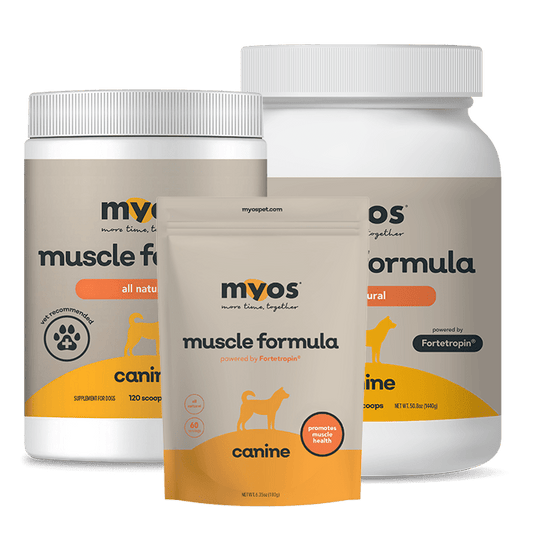
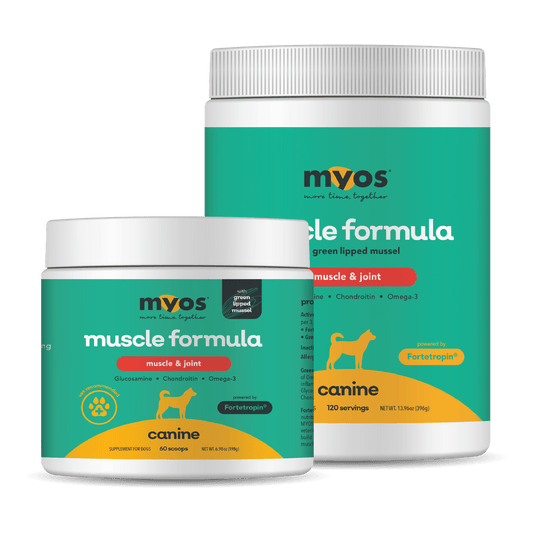
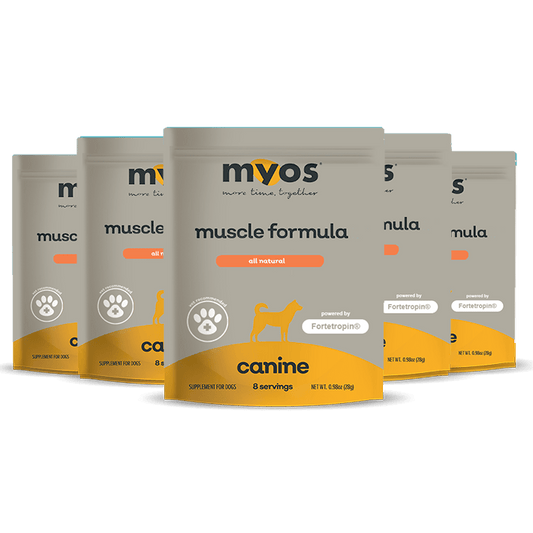
Strong muscles stabilize joints, protect ligaments, and help pets move more confidently. Nutrition is a key piece of this puzzle. Along with a balanced diet, I often recommend targeted supplements to preserve and build muscle, especially for aging pets or those recovering from surgery. One clinically-studied supplement I use in my practice is MYOS Pet with Fortetropin®, which is derived from raw fertilized egg yolk and has been researched for its ability to help maintain lean muscle mass. When we combine thoughtful nutrition with movement and rehabilitation, pets often regain their posture, energy, and playfulness.
What’s one simple habit to start today?
If you want to improve your pet's mobility, start a short daily warm-up routine. Before taking your pet for a walk or a play session, spend two to five minutes doing slow, gentle movements to wake up their muscles. Incorporate this warm-up into your daily routine. As you practice it each day, you'll notice subtle improvements. These small changes can lead to significant differences in your pet's comfort and longevity.
Strut Animal Mobility Specialists are here to help you figure out the best routine to keep your pet healthy and olympic-ready!
About the Author

Dr. Kelly Fishman, DVM, CVA, CCRT, is a leader in veterinary sports medicine and physical rehabilitation and a Veterinary Advisory Board Member at MYOS PET. As the founder of Strut Animal Mobility Specialists, she is dedicated to improving animal health through an integrative approach that combines nutrition, fitness, and advanced therapy to support mobility, recovery, and lifelong vitality for dogs and cats.