More Than the Mission: Tammy and Her Search & Rescue Dogs
Purpose Born from Tragedy
Tammy Robertson’s path into Search and Rescue began with a moment that left a lasting impact on both her and her community. In 1995, the Oklahoma City Murrah Federal Building bombing devastated the city and claimed the lives of 168 people. Tammy volunteered at the center where FEMA responders were housed during the aftermath of the disaster, and it was there that she first saw Search and Rescue dogs in action.
Meeting the handlers and witnessing what the dogs were capable of sparked something in her. While she wasn’t yet in a position to immediately pursue the work herself, the experience stayed with her and became the foundation for a lifelong passion for Search and Rescue and canine work.
The Dogs That Shaped Her Journey

Tammy’s first Search and Rescue dog was a Golden Retriever named Calie. Together, they worked with an emergency management search and rescue team for years before joining Oklahoma Task Force One (OK-TF1)in 2018, where Calie became the team’s first human remains detection (HRD) dog. Throughout her career, Calie helped answer difficult questions for families and contributed to numerous successful missions.
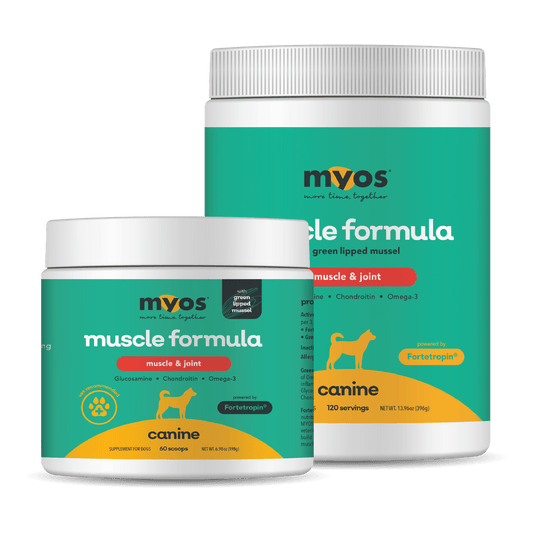
In 2020, Calie was diagnosed with osteosarcoma after unexpectedly breaking her leg. At 11 years old, she had been extremely healthy prior to the diagnosis. Following her front leg amputation, Tammy began incorporating physical therapy and MYOS into Calie’s recovery routine. Within weeks, she saw noticeable improvements in Calie’s mobility and overall quality of life. Tammy believes that combination of rehabilitation work and MYOS helped give Calie several more active, fulfilling years before her passing in 2022.
Today, Tammy works alongside two incredible Labrador Retrievers—Ally, a black lab, and Seven, a chocolate lab. Both dogs were provided through an organization called Ground Zero Saves Lives, which places trained working dogs with first responders and continues supporting them throughout their careers. Ally specializes in live find work and Seven is Tammy’s HRD (human remains detection) dog.
Tammy is also a part of an organization called TEXSAR (Texas Search and Rescue). Her connection to them began during the devastating 2015 Wimberley floods, when she and Calie were asked to assist with search operations after catastrophic flooding swept away homes and claimed multiple lives. After helping support the effort over several weekends, Tammy was invited to officially join the organization and continues assisting with searches whenever needed.
The Purpose Behind the Search
For Tammy, the heart of Search and Rescue has always been about helping families. Whether the outcome is rescue or recovery, she believes every missing person deserves to come home.
The same emotions she experienced watching the aftermath of the Oklahoma City bombing continue to fuel her work today. For Tammy, every hour of training, every deployment, and every challenge is worth it if it means helping reunite a loved one with their family.
Finding Balance in the Search

One of the greatest challenges Tammy faces in her field is finding the balance between Search and Rescue and personal life. The commitment required for deployments, training, and disaster response can quickly become all-consuming, especially for someone deeply passionate about the work.
Tammy shared that there are times when a deployment call comes in and she immediately feels the pull to go help. Recently, her team responded to a major deployment in Texas just days before a planned 25th wedding anniversary cruise. Ultimately, she and her husband postponed the trip so she could respond with the team. Moments like that reinforce how important family support is in this field, especially when teams are mobilizing into dangerous situations on short notice.
While the time commitment can be challenging, Tammy genuinely loves the work, from the training process to the physical conditioning and continued learning required to keep both herself and her dogs ready for the field.
Keeping Working Dogs Strong
Conditioning is a major part of Tammy’s routine with her dogs. Ally and Seven complete cardio workouts at least five times a week, typically running around four miles each session. In addition to endurance work, Tammy also focuses heavily on core strength and balance exercises through a specialized conditioning program developed by a physical therapist associated with Ground Zero. Her dogs also train twice a week in Search and Rescue scenarios, giving them both physical and mental stimulation.
For Tammy, keeping her dogs physically prepared is critical. The terrain and obstacles these dogs encounter during searches require immense stamina, coordination, and strength. Their conditioning routines help ensure they are prepared for the physical demands and dangers they may face in the field.
Supporting Longevity with MYOS

After seeing the impact MYOS had on Calie during her recovery from osteosarcoma and amputation, Tammy continued using it with her current dogs. Both Ally and Seven have been on MYOS consistently, and Tammy believes it plays a major role in helping maintain their muscle strength and conditioning as they age.
Now both eight years old, Tammy feels it’s especially important to support muscle maintenance and joint health to help prevent injuries before they happen. Combined with their extensive fitness routine, she believes MYOS has helped keep them strong, active, and healthy throughout their demanding careers.
And according to Tammy, her dogs are big fans of it too. After adding the MYOS powder to their food, Ally has become so accustomed to it that she notices immediately if it’s forgotten!
Honoring the Search
From the Oklahoma City bombing to disaster deployments and years of training alongside her dogs, Tammy’s journey in Search and Rescue has been built on compassion, commitment, and resilience. Alongside Ally and Seven, she continues dedicating herself to helping families during some of the hardest moments of their lives while ensuring her dogs stay healthy, strong, and ready for the work ahead.
Most Search and Rescue organizations are largely volunteer-based and rely on community support to continue their lifesaving work. Whether through donations, attending outreach events, or simply learning more about your local SAR teams, supporting these organizations helps ensure handlers and their dogs can continue answering the call when families need them most!